About the Garden

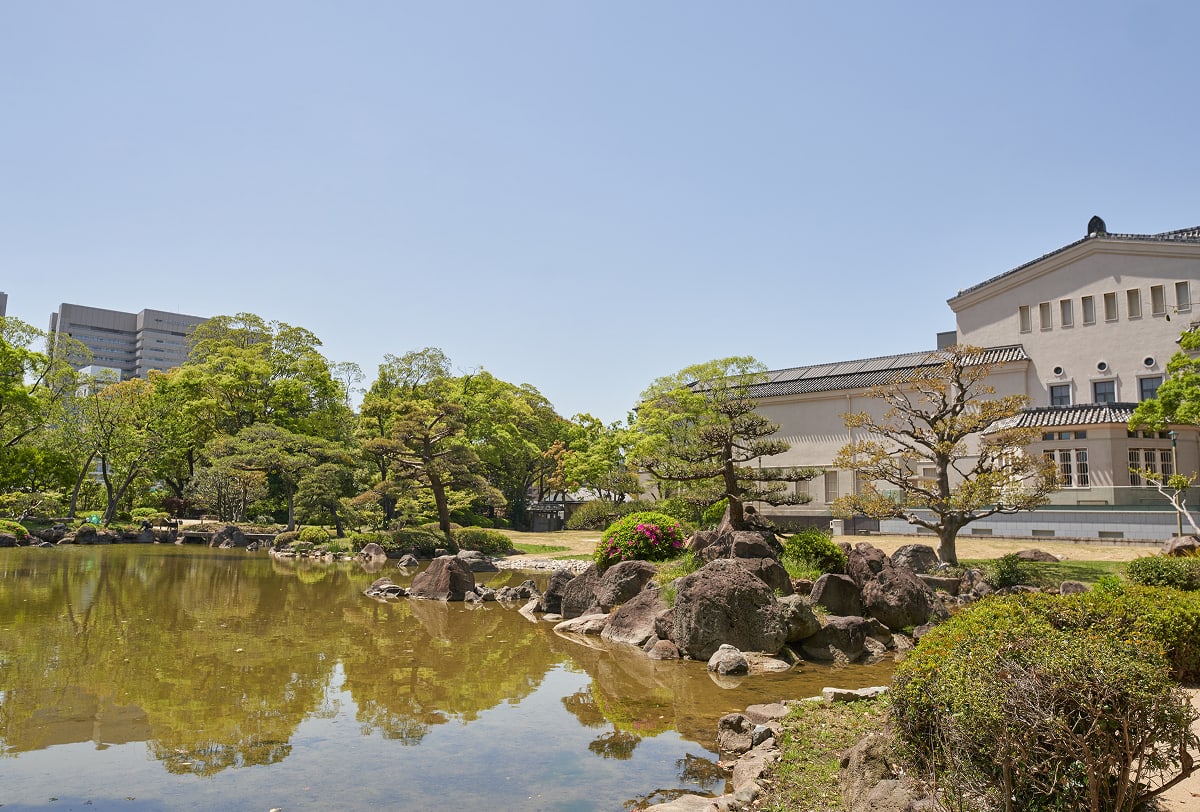
Keitakuen Garden was donated to Osaka City in 1926 by Sumitomo Kichizaemon Tomoito (pseudonym: Shunsui), the 15th head of the Sumitomo family, who were wealthy Osaka merchants from the Edo period. It was donated along with the family's main residence.
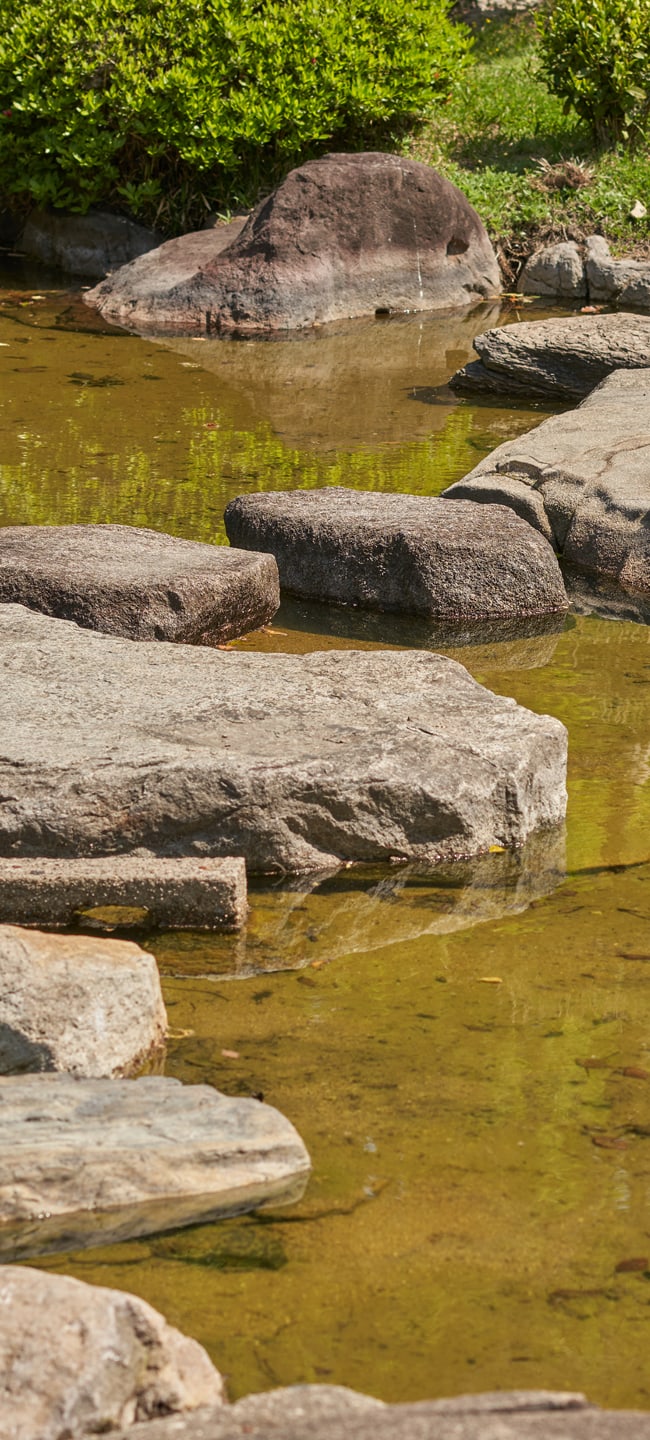
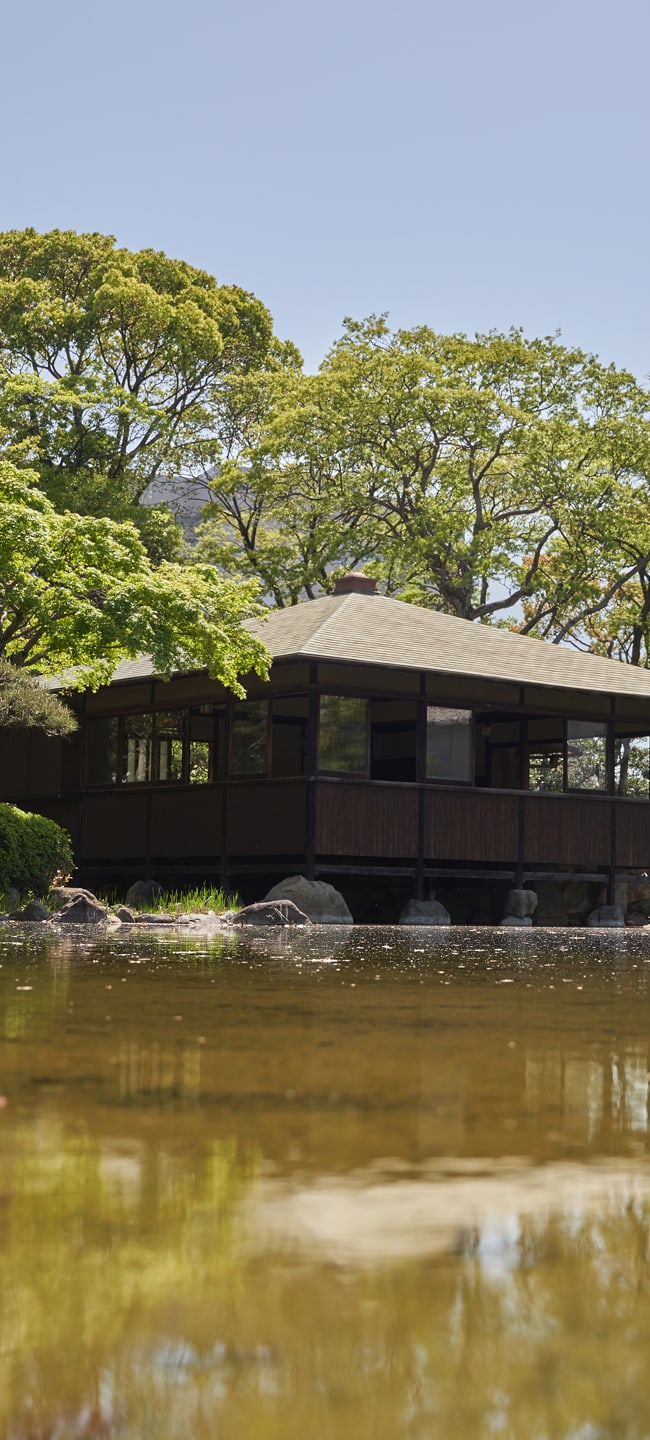
The garden boasts a large pond with a floating island in the center and is surrounded on three sides by artificial hills, creating a diverse topography. Around the pond are garden paths, stepping stones, and bridges. There is also a tea room and a gazebo. The site of the former Sumitomo family's main residence, donated at the same time as Keitakuen Garden, now houses the main building of the Osaka City Museum of Fine Arts, which you can get a beautiful view of from the back of the garden. Enjoy a stroll through this charming garden, where nature and history are in harmony.
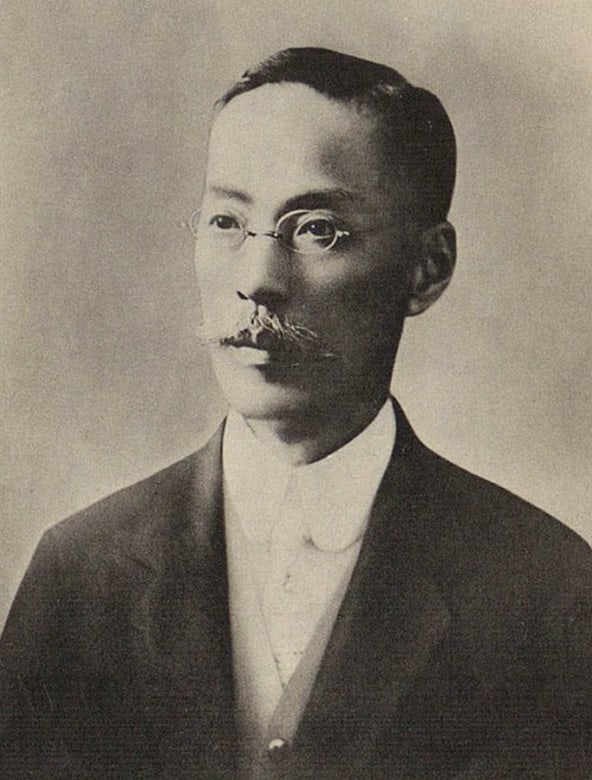
Source: Sumitomo Shunsui, National Diet Library
About Sumitomo Kichizaemon Tomoito (Shunsui), the 15th head of the Sumitomo Family
Sumitomo Kichizaemon Tomoito, the 15th head of the Sumitomo family who donated Keitakuen Garden to Osaka, was known under the pseudonym Shunsui. He was adopted into the Sumitomo family from the prestigious Tokudaiji family of Kyoto. He strived to develop the family business and showed a deep interest in social work. Shunsui was one of Kansai's leading modern aesthetes and possessed deep knowledge of art, architecture, and gardens. His sense of beauty was very apparent all over Keitakuen Garden and was the very reason it was born.
Land acquisition for the site of the garden began in 1895, while the construction started in 1908. When the Sumitomo main residence was relocated from Unagidani (near present-day Shinsaibashi, Chuo, Osaka City, Osaka Prefecture), it was called Keitaku, a name bestowed by Prince Fushimi Sadanaru. The name originally used the character for "blessing," meaning "blessings of our ancestors." It was changed to the character for "celebration" in 1918 when the garden was completed.

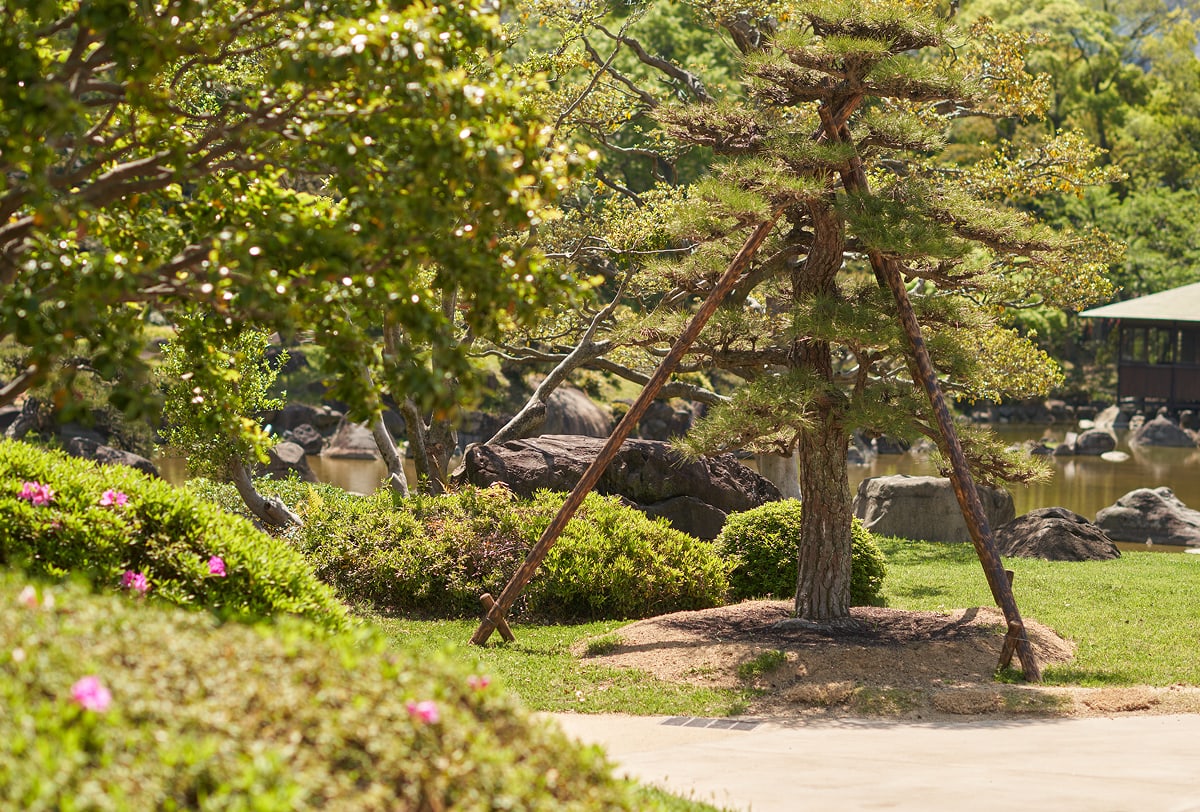
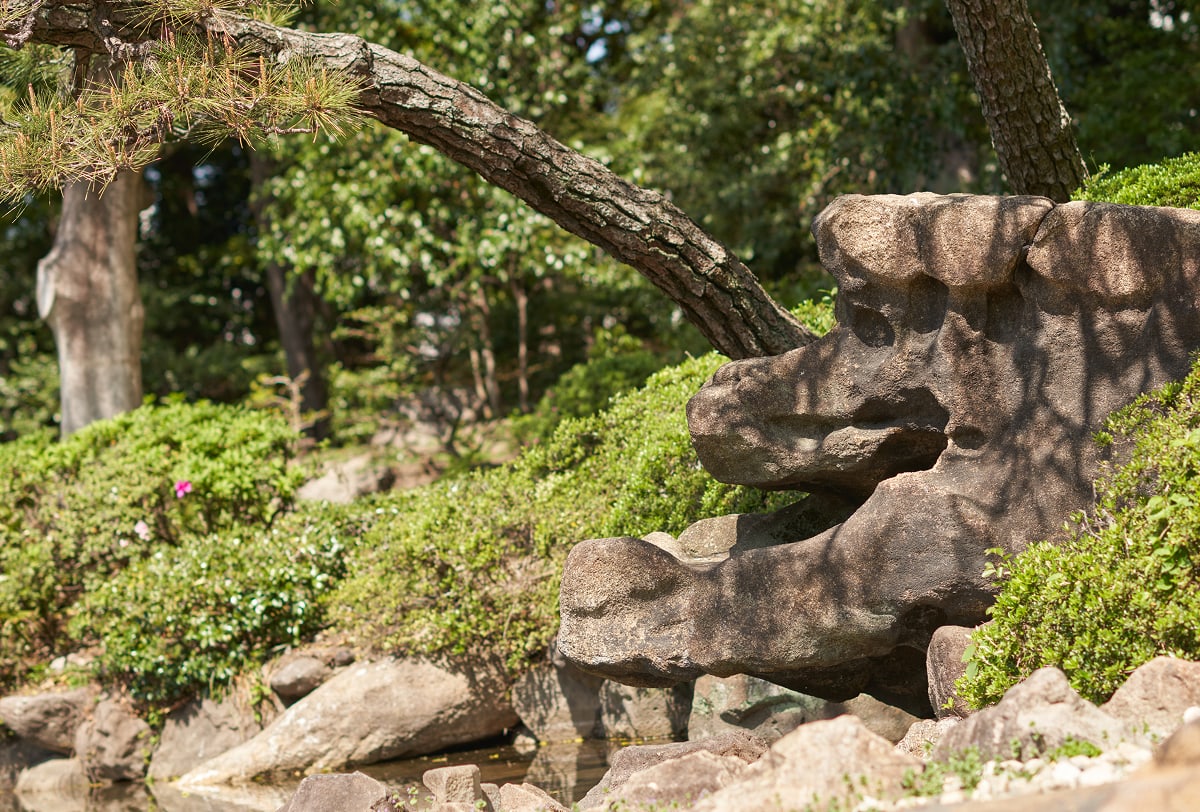
Keitakuen Garden and Ueji’s techniques
Keitakuen Garden was designed by Ogawa Jihei VII, known by the pseudonym Ueji. He was a leader in landscape architecture during the Meiji era and created many renowned gardens, such as the Heian Jingu Shrine Garden, Maruyama Park, and Murin-an, the villa of Yamagata Aritomo, twice Prime Minister of Japan.
Besides traditional Japanese garden techniques, Ueji is also known for establishing a new style that incorporates modern Western landscaping techniques. His innovative ideas and outstanding skills can be felt throughout Keitakuen Garden. Stroll through its grounds to get a glimpse of the unique world of beauty Ueji created.
It is said that Shunsui commissioned Ueji to landscape the garden because he was deeply impressed by the magnificence of the Heian Jingu Shrine Garden.
Before working on Keitakuen Garden, Ueji went to Kanazawa with Shunsui to visit Kenrokuen Garden. It is believed that Keitakuen Garden's design was inspired by daimyo gardens, such as Okayama's Korakuen Garden and Takamatsu's Ritsurin Garden.
In addition to Keitakuen Garden, Ueji also designed several gardens for the Sumitomo family's villas, thus leaving a significant mark on modern Japanese gardens thanks to his outstanding skills and sense of beauty.
Ogawa Jihei VII
Landscape architect known for establishing the style of modern Japanese garden design. He has designed many gardens, including the Heian Jingu Shrine Garden, Maruyama Park, and Murin-an.
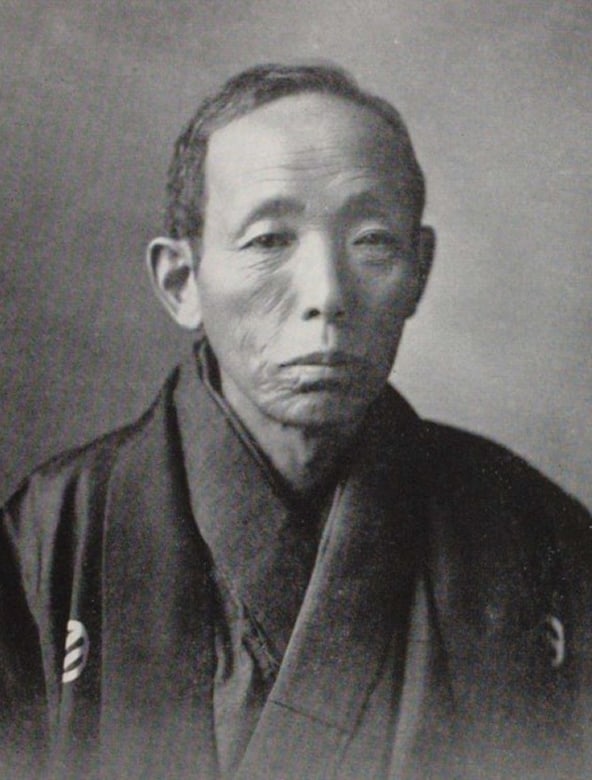
Source: Ogawa Jihei VII (National Diet Library)
Traditional Japanese-style strolling pond garden
Keitakuen Garden is a strolling pond garden, a style commonly found in daimyo gardens. This allows visitors to enjoy the changing scenery as they walk along the paths around the pond in the center.
As you step inside the garden, a white pebble stream known as "suhama" (literally "pebbled beach") greets you. Beyond it lies a vast central pond with a floating island at its center, adorned with black pine trees. Rock islands are scattered around it, creating a landscape resembling a grand ocean.
When walking along the garden paths while admiring the pond, you will encounter various sights, such as the artificial hill to the northeast, the waterfall cascading down its base, and the gazebo by the pond. Take your time wandering around the pond to explore the many faces of the beautiful landscape of Keitakuen Garden.